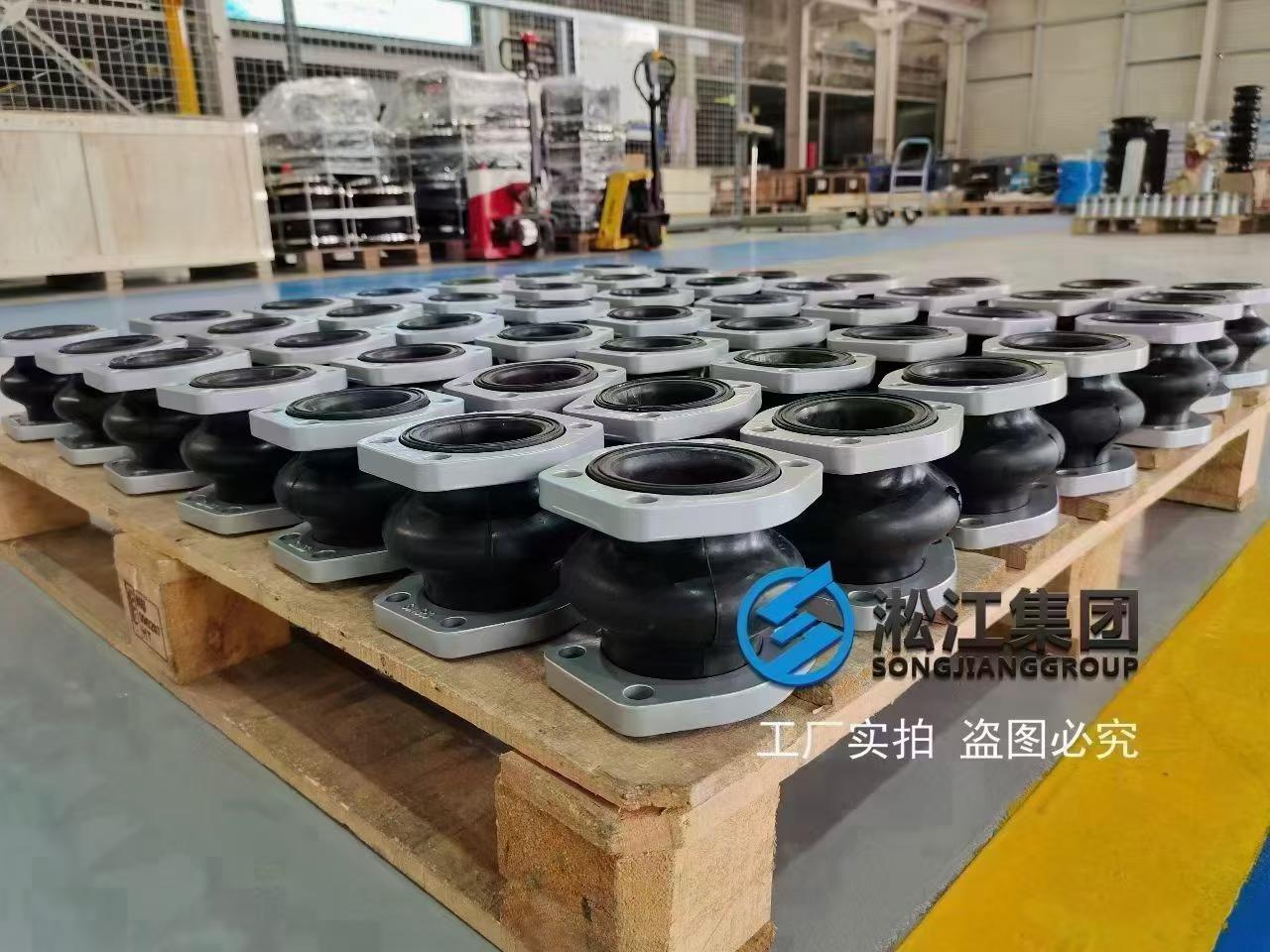
Industrial pipelines often suffer from vibration, oil corrosion, and mechanical stress. Without proper protection, pumps and equipment fail early. The K16S oil-resistant rubber expansion joint solves these issues by absorbing vibration and resisting oil media.
What is a K16S oil-resistant rubber expansion joint?
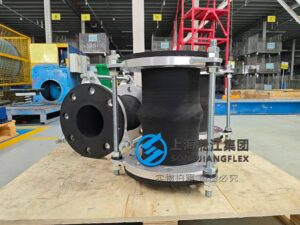
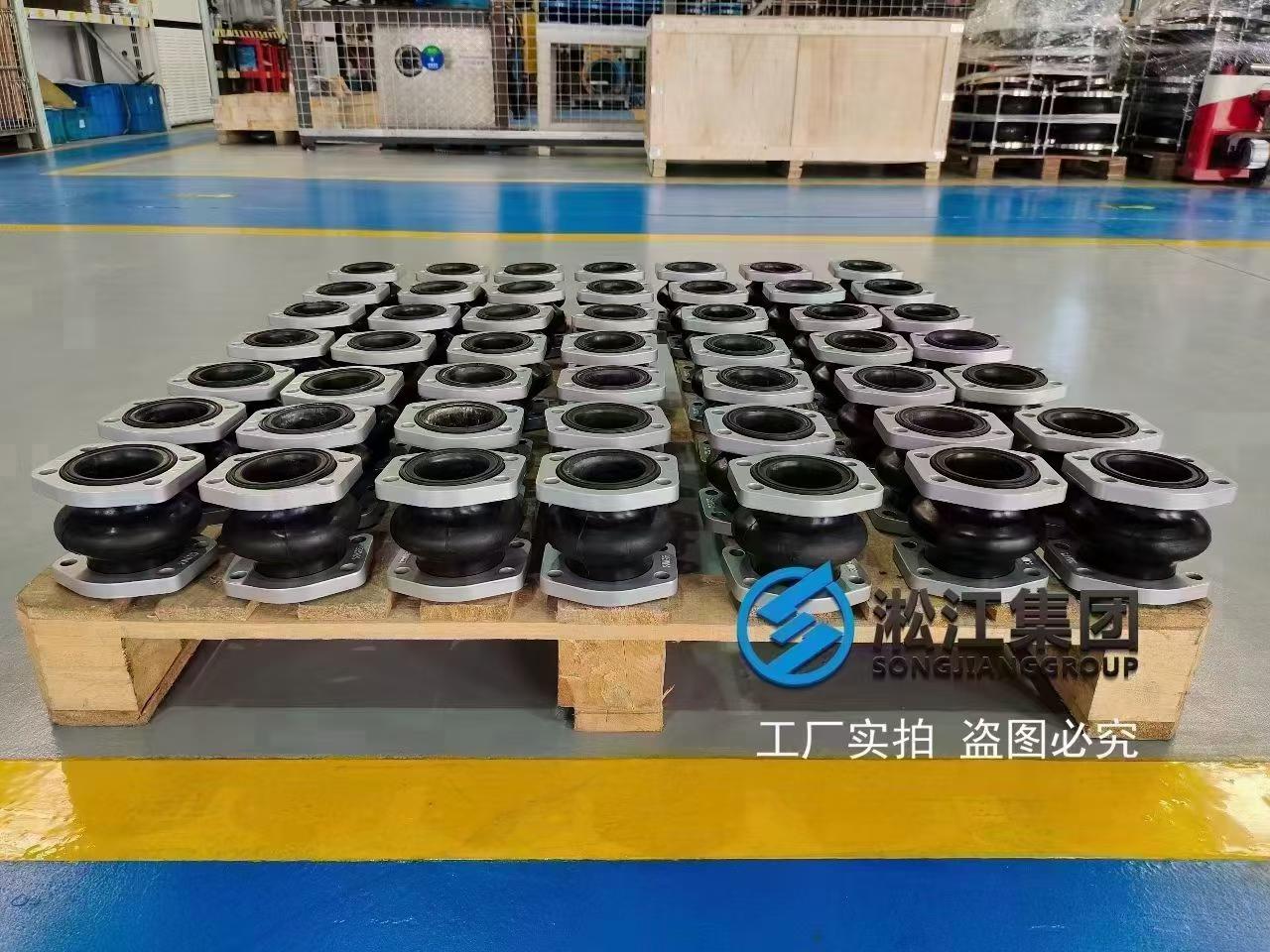
A K16S rubber expansion joint is a flexible connector made from oil-resistant rubber (usually NBR) designed to reduce vibration, absorb displacement, and protect piping systems in oil-based environments.
Rubber expansion joints are widely used to compensate for thermal expansion, misalignment, and vibration in pipelines, especially around pumps and compressors.
NBR-based rubber joints are particularly suitable for hydraulic oil, fuel, grease, and other petroleum products because they offer excellent oil resistance and mechanical strength.
Key features of K16S oil-resistant rubber vibration hose
The K16S model is typically used in hydraulic systems, machinery, and industrial pipelines requiring flexible vibration isolation.
Main features include:
-
Excellent oil and fuel resistance
-
Vibration and noise reduction
-
Absorption of axial, lateral, and angular movement
-
Easy installation and maintenance
-
Compact and lightweight design
Oil-resistant rubber expansion joints can withstand temperatures roughly from –30°C to +100°C depending on material grade and reinforcement.
Applications of K16S rubber expansion joints
K16S oil-resistant expansion joints are widely used in:
-
Hydraulic systems
-
Oil pipelines
-
Industrial pumps
-
Compressors
-
Injection molding machines
-
Mining equipment
-
Power plants
They are especially effective when installed near pumps or machinery to reduce vibration transmission and protect connected equipment.
Why choose oil-resistant rubber (NBR)?
NBR rubber offers:
-
Strong resistance to oil and hydrocarbons
-
Good elasticity and durability
-
Wear resistance
-
Reliable sealing performance
Because of these properties, NBR expansion joints are commonly used in oil-related and industrial fluid systems where standard EPDM rubber cannot perform effectively.
How does a rubber expansion joint reduce vibration?
Rubber expansion joints isolate vibration and sound in piping systems by acting as a flexible connector between rigid components.
They:
-
Prevent vibration transfer
-
Compensate for thermal expansion
-
Reduce noise
-
Protect pumps and valves
-
Extend equipment lifespan
These functions help improve overall system stability and reduce maintenance costs.
Conclusion
The K16S oil-resistant rubber expansion joint is a reliable solution for oil pipelines and machinery. It improves vibration isolation, protects equipment, and ensures long-term pipeline safety in industrial environments.