In industrial production and pipeline systems, vibrations can shorten equipment life, cause noise, leaks, or safety issues. Vibration isolators are effective components that absorb vibration, cushion impact, and reduce noise. With evolving industrial needs, a variety of isolators now meet diverse equipment and pipeline requirements.
Functions and Benefits of Vibration Isolators
-
Vibration Absorption: Minimize vibration transmission from machinery and pipelines to the surrounding environment.
-
Noise Reduction: Control noise generated during equipment and pipeline operation.
-
Equipment Protection: Reduce wear and damage, extending service life.
-
Displacement Compensation: Absorb thermal expansion or movement in pipelines and equipment.
Diverse Vibration Isolator Options
-
Spring Isolators: Strong load capacity for heavy equipment.
-
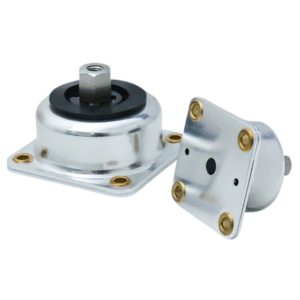
Rubber Isolators: Flexible solution for small and medium equipment or piping systems.
-
Wire Rope Isolators: Reliable in high-temperature and high-pressure environments.
-
Air Spring Isolators: Adjustable height and stiffness for high-precision equipment.
-
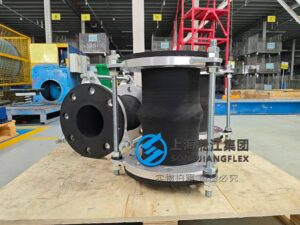
Rubber Expansion Joints: Reduce vibration, provide sealing, and absorb thermal expansion in pipelines.
-
Bellows Compensators: Flexible connectors that absorb vibration and movement in piping systems.
-
Braided Hoses: Flexible, corrosion-resistant, and fatigue-resistant hoses for high-pressure applications.
-
Vibration Pads: Reduce floor-transmitted vibration under small equipment.
-
Rubber Joints: Provide sealing and vibration damping for pipelines.
Key Factors in Selecting Vibration Isolators
-
Equipment Weight and Vibration Amplitude: Determines whether to use spring or rubber isolators.
-
Operating Frequency and Vibration Characteristics: Low-frequency vibrations suit spring isolators; high-frequency vibrations suit rubber isolators.
-
Environmental Conditions: Extreme temperatures, corrosive conditions, or moisture require durable materials.
-
Installation Requirements: Floor, suspension, or pipeline installation affects isolator choice.
-
Maintenance and Durability: High-quality isolators reduce long-term maintenance costs.
Benefits of Full-Range Vibration Isolators
-
Extend Equipment Life: Reduce wear and impact-related damage.
-
Lower Operating Costs: Minimize downtime and maintenance needs.
-
Optimize Production Environment: Lower noise and vibration improve employee comfort.
-
Adapt to Various Industrial Scenarios: Suitable for heavy machinery, precision equipment, or pipelines.
Related Insights
When selecting vibration isolators, businesses should consider equipment type, vibration characteristics, installation environment, and budget. A full-range isolator solution ensures industrial operations remain safe, stable, and efficient, delivering long-term benefits.