Rubber expansion joints are essential components in modern piping systems, designed to absorb vibration, accommodate thermal expansion, and compensate for misalignment. However, not all rubber expansion joints perform the same. Each type is engineered for specific operating conditions, and understanding these differences is crucial for proper selection.
Rubber expansion joints can be classified based on structure, connection type, rubber compound, and pressure capability. These differences determine how well the joint performs in real-world applications.
The following sections explain how various rubber expansion joints compare with each other.
Structural Differences in Rubber Expansion Joints
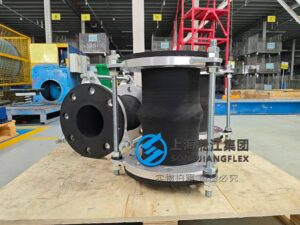
Single sphere rubber expansion joints provide basic flexibility and vibration isolation in compact installations. Double sphere rubber expansion joints offer enhanced movement compensation and improved vibration reduction, making them suitable for systems with higher dynamic loads.
Structural design directly affects flexibility, stress distribution, and overall system stability.
Connection Types and Their Impact on Performance
Flanged rubber expansion joints are widely used in industrial applications due to their strong sealing performance and ability to handle higher pressures. Threaded rubber joints are mainly applied in low-pressure systems with smaller pipe diameters where quick installation is required.
Selecting the correct connection type reduces installation risk and improves system reliability.
Rubber Material Selection and Media Compatibility
EPDM rubber expansion joints are commonly used for water, air, and HVAC systems. NBR rubber expansion joints are suitable for oil and fuel applications. Neoprene rubber joints provide balanced performance in general-purpose industrial environments.
Material compatibility with the conveyed media is critical to maintaining long-term performance.
Pressure Rating and System Safety
Low-pressure rubber expansion joints are suitable for standard pipelines, while high-pressure rubber expansion joints are reinforced to withstand greater internal forces. Vacuum rubber expansion joints are designed to prevent collapse under negative pressure conditions.
Accurate pressure evaluation is essential to ensure operational safety.
Application-Based Selection of Rubber Expansion Joints
Pump systems require flexible rubber expansion joints to isolate vibration. HVAC systems benefit from double sphere designs to accommodate thermal movement. Industrial and chemical pipelines demand joints with appropriate material resistance and pressure capacity.
Selecting based on application ensures efficiency and durability.
Comparison Between Rubber and Metal Expansion Joints
Rubber expansion joints provide superior vibration and noise control compared to metal expansion joints. Metal expansion joints, however, perform better in high-temperature environments. Many systems use both types depending on operating requirements.
Service Life and Maintenance Considerations
The service life of rubber expansion joints depends on operating conditions, material quality, and installation practices. Regular inspection and proper selection help minimize downtime and maintenance costs.
Conclusion
Comparing different types of rubber expansion joints allows buyers to make informed decisions, improving system performance and reducing operational risks.