Introduction
Continuous vibration at sea often leads to equipment damage and instability. Choosing the right isolation method is essential for reliable operation.
Where Does the Vibration on Ships Actually Come From?
Onboard systems are constantly affected by engine operation, rotating machinery, and wave impact. These forces interact with the ship structure, creating complex vibration patterns. Over time, this can result in loose components, increased noise, and reduced accuracy in sensitive equipment.
Why Traditional Isolation Methods Failed in This Project
Before upgrading, the client used conventional rubber mounts. However, under long-term exposure to humidity and salt spray, the material began to degrade. Performance dropped noticeably, and frequent replacements increased maintenance costs.
What Type of Solution Was Introduced Instead?
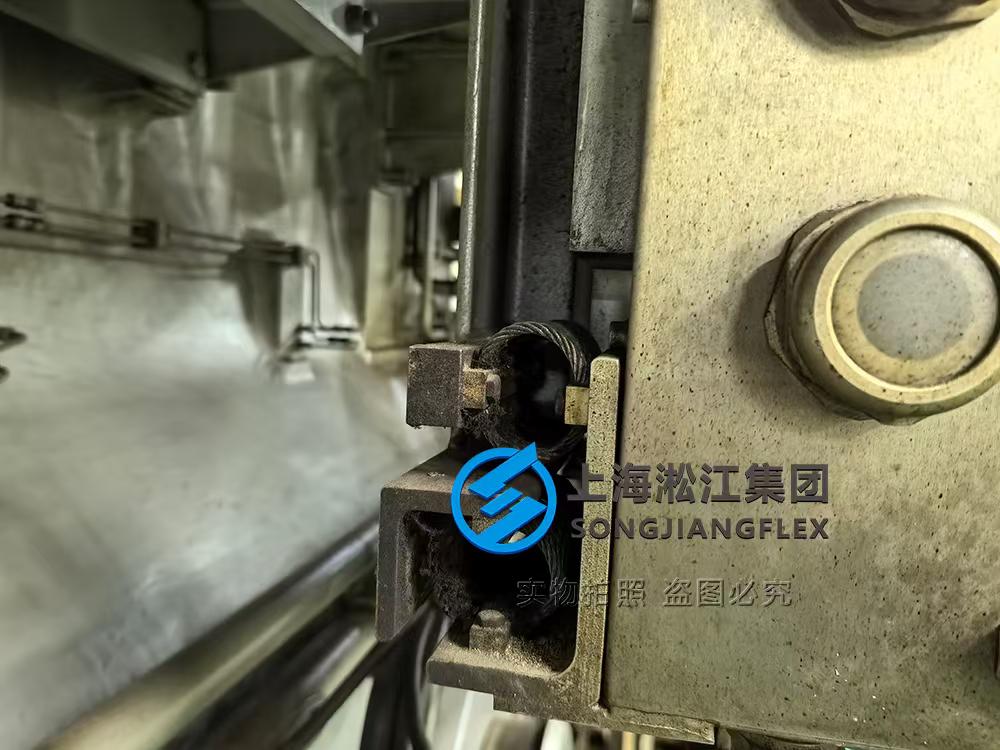
To solve the issue, a stainless steel wire rope vibration isolator system was selected. This type of device absorbs energy through cable deformation and internal friction, allowing it to handle both vibration and sudden shock loads effectively.
How Was the Installation Carried Out On Site?
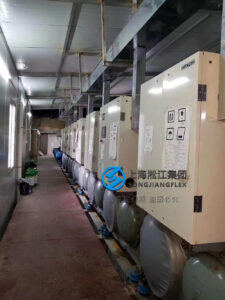
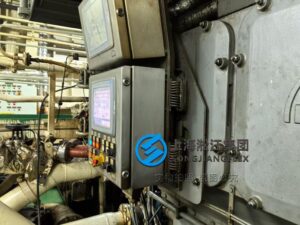
The isolators were installed beneath a generator base and several control cabinets. Engineers ensured even load distribution and proper alignment during installation. The layout allowed controlled movement while maintaining overall structural stability.
What Changes Were Observed After Installation?
After implementation, vibration levels were clearly reduced. Operators reported smoother equipment performance and a noticeable decrease in noise. The system also showed improved consistency during operation.
Why Is This Solution More Suitable for Marine Environments?
Unlike rubber-based products, stainless steel isolators are not affected by aging, corrosion, or temperature changes. This makes them particularly suitable for offshore applications where durability is critical.
What Should Be Considered When Selecting This Type of Isolator?
Choosing the correct model depends on load capacity, vibration frequency, and installation direction. In this case, customized parameters were used to ensure optimal performance under real operating conditions.
Final Thoughts on This Installation Case
This project demonstrates that selecting the right vibration control solution can significantly improve equipment reliability while reducing long-term maintenance costs.